
FDA Steps Up DSCSA Inspections in 2026: What Dispensers and Pharmacies Must Know

The FDA recently made headlines with its first publicly documented Drug Supply Chain Security Act (DSCSA) inspectional observation (Form FDA 483) directed at a dispenser and it’s shaking up how we think about compliance across the supply chain.
While much of the DSCSA conversation has focused on electronic tracing and interoperability, this case makes one thing crystal clear: baseline DSCSA obligations are live, and the FDA is ready to enforce them.
What Happened in Texas?
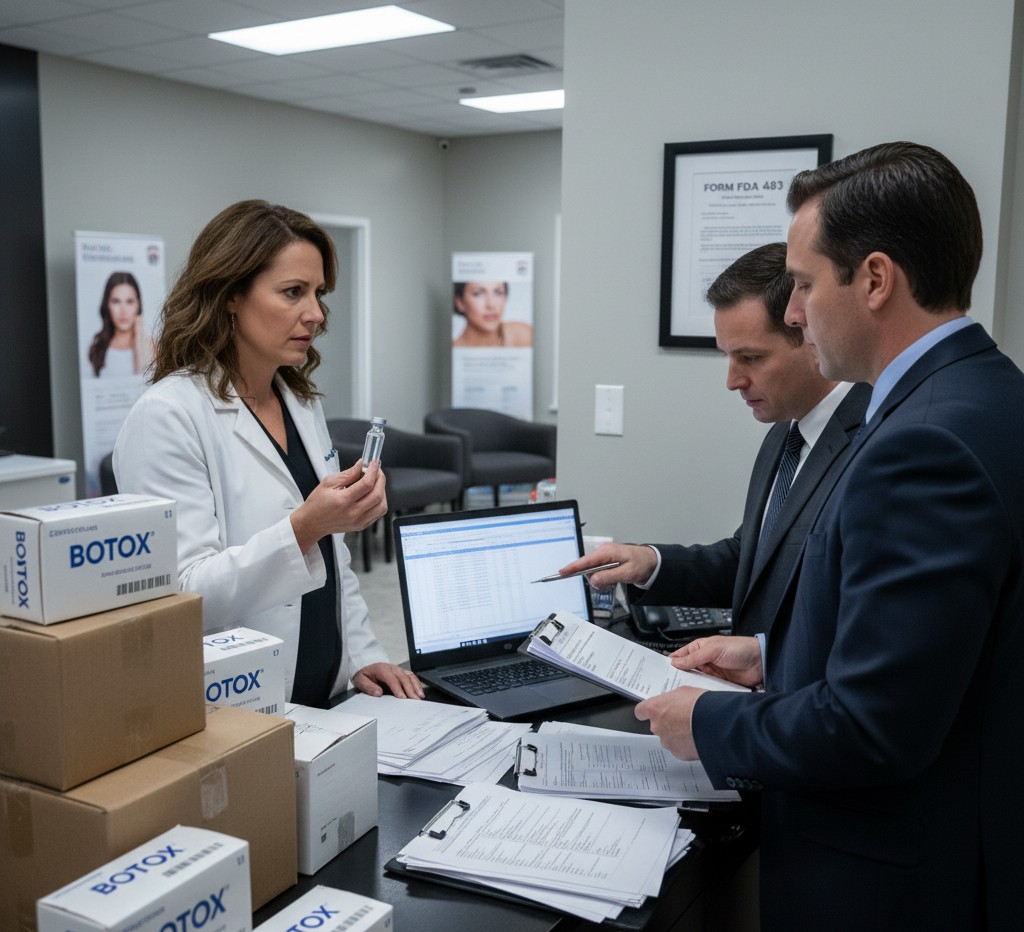
The FDA inspected Pure Indulgence Aesthetics, a med spa in Texas, for their handling of Botox (onabotulinumtoxinA). The 483 outlined two key violations:
- Failure to transact only with authorized trading partners
- FDA investigators noticed the number of Botox units dispensed didn’t match the number purchased from authorized sources. In other words, some product might have come from unauthorized sources.
- FDA investigators noticed the number of Botox units dispensed didn’t match the number purchased from authorized sources. In other words, some product might have come from unauthorized sources.
- Failure to engage only in transactions involving product with a product identifier
- An unlabeled vial was found in the trash. Lab analysis confirmed it contained botulinum neurotoxin, but it lacked proper labeling or product identifiers as required under DSCSA.
- An unlabeled vial was found in the trash. Lab analysis confirmed it contained botulinum neurotoxin, but it lacked proper labeling or product identifiers as required under DSCSA.
In plain English: the FDA expects dispensers to know exactly who they buy from and ensure every product has proper labeling. No Exceptions.
Why This Matters for Everyone in the Supply Chain
You might think:
“Well, this was a med spa. I run a pharmacy/distributor; does this apply to me?”
The answer is YES.
Even though interoperability and electronic product tracing often get the spotlight, the foundational DSCSA obligations like working only with authorized trading partners and verifying product identifiers apply to everyone now.
- For pharmacies and dispensers, it means you must be able to tie every package to a verified source and track its journey from manufacturer to patient.
- For distributors, the focus remains on maintaining clean, documented records of every transaction and ensuring your customers are authorized.
Think of it as the DSCSA’s “core checklist” that regulators are now actively enforcing.
Data-Driven Enforcement Is Here
The FDA isn’t just relying on inspections, they are leveraging the massive amount of data already available in clinical and retail settings. In the Texas case, investigators compared:
- Manufacturer shipment records
- Dispenser treatment logs
- Physical evidence (like the unlabeled vial)
…and they cross-checked everything to identify compliance gaps.
Lesson learned: regulators can connect the dots across multiple datasets. So if you’re still relying on manual spreadsheets or fragmented systems, you’re putting your organization at risk.
Want to save yourself from that risk?
This is where we comes in. Our platform allows dispensers, pharmacies, and distributors to track every package, confirm authorized trading partners, and automatically flag suspect or illegitimate products all in real time. No more chasing paperwork or worrying if your records line up.
DSCSA Obligations You Just Can’t Ignore
Here’s a quick refresher on baseline DSCSA duties that are already in effect:
- Authorized Trading Partners (ATPs): Only transact with suppliers or customers who meet DSCSA authorization requirements.
- Product Identifier Verification: Every product must bear a unique identifier, typically a serialized barcode on the packaging.
- Suspect and Illegitimate Product Management: Promptly quarantine, investigate, and report any products that look tampered with or mismatched.
The FDA 483 is a wake-up call: these rules are not just for “later” when interoperability is fully rolled out—they apply today.
How We Can Help
Managing DSCSA obligations doesn’t have to be stressful. InfiniTrak offers:
- Automated verification of authorized trading partners
- Real-time product identifier tracking and alerts
- Seamless suspect/illegitimate product management workflows
- Audit-ready reporting for FDA inspections
- EPCIS data management
- Product tracking
By integrating these capabilities, your organization can stay ahead of compliance requirements, reduce risk, and focus on delivering safe products to patients.
Final Thoughts
The first DSCSA-focused 483 for a dispenser is a reminder that every player in the drug supply chain is accountable today. Compliance isn’t just paperwork—it’s about visibility, traceability, and control.If your pharmacy, clinic, or distribution operation is still relying on manual tracking, incomplete records, or guessing your trading partners’ status, you might be next.
Get compliant faster with InfiniTrak, book a free demo and talk to DSCSA experts before it’s too late.
For more details on the FDA’s inspection and findings, you can read the original article here