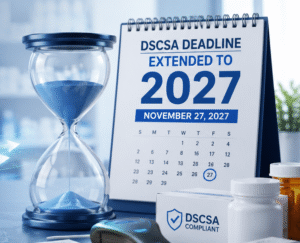
Many medical spas do not realize they have DSCSA responsibilities until they face an inspection, supplier issue, or product verification request. DSCSA is designed to help identify and trace certain prescription drugs at the package level as they move through the supply chain, helping prevent counterfeit, stolen, contaminated, or otherwise harmful products from reaching patients.
1. Buying from suppliers without verifying they are authorized
Discounted injectables, GLP-1 products, Botox, fillers, or other prescription products may seem like a way to lower costs, but if the supplier cannot be verified, your med spa may be taking on major compliance risk.
What to do instead:
Work only with properly licensed and authorized trading partners, and keep supplier verification records organized and easy to retrieve.
2. Assuming invoices are enough for DSCSA compliance
An invoice may show what you purchased, but DSCSA compliance requires more than basic purchase records. Product tracing information is intended to help show where a product came from and who handled it in the supply chain.
What to do instead:
Keep DSCSA transaction records connected to the actual product details, including NDC, lot number, expiration, and serialized product information when applicable.
3. Using paper logs or scattered spreadsheets
Paper records, email attachments, supplier portals, and spreadsheets can become difficult to manage when you need to respond quickly. During an inspection or internal review, the real question is not just whether you have the information — it is whether you can find it quickly.
What to do instead:
Use a centralized system that keeps supplier, product, and transaction records organized in one place.
4. Not having a process for suspect or questionable products
If a product looks suspicious, has missing information, comes from an unknown supplier, or cannot be verified, your staff needs to know what to do. FDA guidance explains that trading partners are expected to have systems in place to identify and handle suspect and illegitimate products.
What to do instead:
Create a clear process to quarantine, investigate, document, and resolve suspect product issues before the product reaches a patient.
5. Waiting until an inspection to get organized
The worst time to figure out DSCSA compliance is when someone is already asking for records. If your med spa cannot quickly show where products came from, whether suppliers were authorized, and how records are stored, the business may appear unprepared.
What to do instead:
Build an audit-ready process now, so your team can respond confidently when records are requested.
6. Overlooking the risks of compounded drugs
Compounded drugs can play a role in patient care, but they are generally not FDA-approved, meaning the FDA does not review them for safety, effectiveness, or quality before they are marketed. For med spas using compounded GLP-1s, injectables, or other compounded prescription products, this can create additional quality, sterility, sourcing, and documentation risks.
What to do instead:
Work only with reputable, properly licensed suppliers, confirm where products are coming from, keep clear documentation, and make sure your team has a process for reviewing any compounded products before they are used on patients.